• Hint: click the "What's New" tab and make that your homepage! On mobile: tap the Lighting Bolt in the upper right corner.
  • After completing the registration form, you will receive an email containing a link that you must select in order to confirm your email is valid. Check your spam/junk folders if you do not receive this message!

Herbs

Folks need to be aware of their climate zone, so that they can focus on herbs and medicinals that grow in their region.
For now, it's relatively easy to get any herbs and spices you might want for your own apothecary.
But after the solar kill shot, your knowledge and ingredients will be limited to only those things that can live in your area.
So IMO it makes sense to focus on those things from the outset.
 
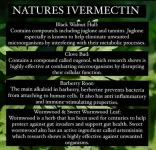
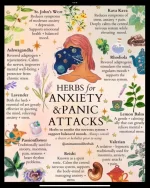
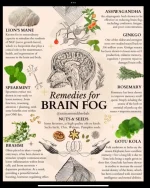
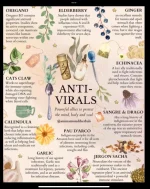
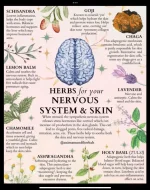
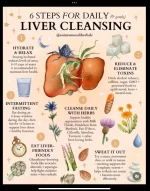
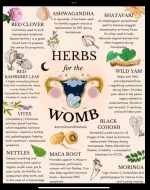
Photos I pulled off Daniel's post here


View attachment 35
View attachment 36
View attachment 37
View attachment 38
View attachment 39
View attachment 40
View attachment 41
View attachment 42
These are all great Bud.
 
Just going to throw this out there from your clinical herbalist friend here... any essential oil has a relatively short shelf life. I personally would not "stock up" on them. What outlasts everything is alcohol tinctures. They can last for decades. Regular herbal oils... decoctions , infusions, etc, only have about a year long shelf life. If you refrigerate them, then maybe two years max.
 
Just going to throw this out there from your clinical herbalist friend here... any essential oil has a relatively short shelf life. I personally would not "stock up" on them. What outlasts everything is alcohol tinctures. They can last for decades. Regular herbal oils... decoctions , infusions, etc, only have about a year long shelf life. If you refrigerate them, then maybe two years max.
Thank you!!! I almost bought a bunch! That would of sucked!
 
Just going to throw this out there from your clinical herbalist friend here... any essential oil has a relatively short shelf life. I personally would not "stock up" on them. What outlasts everything is alcohol tinctures. They can last for decades. Regular herbal oils... decoctions , infusions, etc, only have about a year long shelf life. If you refrigerate them, then maybe two years max.
Thanks for adding that caution; definitely won't argue with you. And... plant magic doesn't read our rules about expirations. Fortunately or unfortunately, I've found myself using old essential oils with observed clinical efficacy. Could be partly placebo, certainly they won't maintain 100% potency, common sense. But I've used oregano for throat gargle that was years old, lavender for burns ditto. Maybe not going to hoard enough for a decade, but keeping a few around. They're tiny. ;)
 
Thanks for adding that caution; definitely won't argue with you. And... plant magic doesn't read our rules about expirations. Fortunately or unfortunately, I've found myself using old essential oils with observed clinical efficacy. Could be partly placebo, certainly they won't maintain 100% potency, common sense. But I've used oregano for throat gargle that was years old, lavender for burns ditto. Maybe not going to hoard enough for a decade, but keeping a few around. They're tiny. ;)
that's totally fine. Each EO expires at a different rate than another EO. So definitely look up how long that specific EO is good for before it starts losing efficacy for sure. Not ALL of them expire exactly in one year. But I sure wouldn't hoard them for anything medical. Refrigeration extends their life.
 
Here a question for a more advanced herbalist than me. My herbal knowledge is mostly for animal welfare.

Deb.K gifted me a twig that'd been torn from a bush. I brought the twig home, got some of my super duper compost potting soil and a little bottle of rooting powder. I trimmed the twig into three, carved the bark off in correct places, put rooting powder on it, and planted it. Now I have three new plants- they all took. This is valuable for growing more plants in the future. This rooting powder will NOT be available after the fall. Is there a plant that is useful to help other plants grow or root?

I wonder about comfrey, lavender, and other healing quality herbs, but we don't want the twig to regrow it's bark, we want fresh roots.
 
I don't know that our ancestors used any kinds of rooting "hormones" when cloning plants, but a well known natural rooting hormone would be willow. And sometimes aloe vera. But the willow is a good one. Comfrey and lavender are both perennials and will grow year round. Comfrey, you can do a root division from.
 
I don't know that our ancestors used any kinds of rooting "hormones" when cloning plants, but a well known natural rooting hormone would be willow. And sometimes aloe vera. But the willow is a good one. Comfrey and lavender are both perennials and will grow year round. Comfrey, you can do a root division from.
Thank you for your answer.
How would you use/apply it? As a tea? Does it work for all plants? Like blueberries and roses, and also for fruit trees? What would it not work for? I hope to try it.
 
Yes, I would take a small little branch, chop it up and make a tea out of it. Dip your plants into the tea and plant those. OR, leave the tea in an open/wide mouth jar. Place your cuttings into that and let them root in that tea. I don't see why it wouldn't work for most plants. I don't know what it'd not work for, I haven't tried it on all plants. BUT you could definitely do some research on that for which plants you're wanting to try it on. ;)
 
Yes, I would take a small little branch, chop it up and make a tea out of it. Dip your plants into the tea and plant those. OR, leave the tea in an open/wide mouth jar. Place your cuttings into that and let them root in that tea. I don't see why it wouldn't work for most plants. I don't know what it'd not work for, I haven't tried it on all plants. BUT you could definitely do some research on that for which plants you're wanting to try it on. ;)
And does it matter which willow type to use? Or are they all equally good at this?

I actually don't have any slow on my property here. That will be one to definitely include when I get back home, for so many reasons.
 
And does it matter which willow type to use? Or are they all equally good at this?

I actually don't have any slow on my property here. That will be one to definitely include when I get back home, for so many reasons.
all willows are not the same, but all willows contain almost same properties. Willow is also the original asprin. All willow bark contains salicin. So it's a good medicinal tree to have. White Willow bark is what we herbalists use for pain relief (for those that don't have a salicin allergy anyway). In central Texas, where I came to Colorado from, we had black willow. When I visited Taos Pueblo in New Mexico, the story teller there said they call themselves the Red Willow People... their willow is the red willow and grows in the small river that flows through their village. She said it was their pain reliever and other things. Here in Colorado, I've found three huge regular stereotypical willow trees in my neighborhood that are huge! I might eventually go ask for some cuttings. But please know that willow likes wet roots. I live a block off the Arkansas River. So it's probably why they're growing good here. But anyway, all willow trees also contain indolebutyric acid which is the main ingredient in commercial rooting hormone that you can get at the store. I hope this helps.
 
all willows are not the same, but all willows contain almost same properties. Willow is also the original asprin. All willow bark contains salicin. So it's a good medicinal tree to have. White Willow bark is what we herbalists use for pain relief (for those that don't have a salicin allergy anyway). In central Texas, where I came to Colorado from, we had black willow. When I visited Taos Pueblo in New Mexico, the story teller there said they call themselves the Red Willow People... their willow is the red willow and grows in the small river that flows through their village. She said it was their pain reliever and other things. Here in Colorado, I've found three huge regular stereotypical willow trees in my neighborhood that are huge! I might eventually go ask for some cuttings. But please know that willow likes wet roots. I live a block off the Arkansas River. So it's probably why they're growing good here. But anyway, all willow trees also contain indolebutyric acid which is the main ingredient in commercial rooting hormone that you can get at the store. I hope this helps.
Thank you. Yes, I'm familiar with herbal benefits of willow for pain. Yes, you have answered my question very well.

I really like that you mention some other strengths of willow, glad to know it is for all willows. As a farmer, I enjoy using natural methods to manage things. It is easy with animals: cats are the best offense against rodents; pea-fowl are helpful to manage bugs with hard shelled bodies; camelids, donkeys, and some dogs are good protection against predation for sheep, goats, and free range fowl, etc. I have explored the same perspective with plants: willows like wet roots, they are useful to dry out boggy land; cedars naturally deter many bugs, but negatively impact the ability to grow produce (for quite some distance). This is knowledge I hope to expand on when I am able.
 
Back
Top