

With the idea of rebuilding society again, if we’re gonna be thrown back into the Stone Age and have to do a Stone Age type tools, would it not make sense to also consider trying to plant trees, shrubs, and bushes that were fruit and not producing that grew during the last Ice Age? Plus look into storing those seeds, in case your food forest burns in the expected global forest fires If temperatures are going to plummet and we live in another environmental icebox, it would make sense to plant those items now, ahead of time. Recalling off the top of my head both buffalo berry and hazelnuts grew during the last Ice Age. I am currently growing both of them here on my farm where it’s hardiness zone 6A. Here in far north Idaho, I’m in a microclimate even though I’m higher in latitude than most of the country.
Late Pleistocene Plants | Explore the Ice Age Midwest
Cultivating Paleo-Era Plants For Modern Diets
The Ice Age Diet: A Plant-Based Foundation for Survival
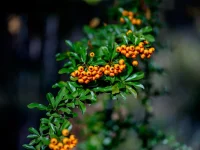
Another consideration for plants is their use as defensive deterrents. Many plants that produce fruit, also have thorns, like the hardy orange, quince, sea buckthorn goumi etc. The last two are also nitrogen fixers and sea buckthorn is also drought tolerant. Just know you’ll need a separate male shrub to pollinate up to six and sometimes more females in order to produce fruit. The fruit is known for aiding in skin disorders which may arise due to high solar activity.
Sea buckthorn offers various health benefits, including promoting skin health, reducing inflammation, and supporting cardiovascular health due to its rich content of vitamins, antioxidants, and fatty acids. It may also aid in wound healing and improve skin elasticity.
Some plants are also drought and pollution tolerant like sea buckthorn or black pine.
You may also want to consider planting trees that will grow in an Ice Age or Ice Age type conditions that you could utilize for other products such as building materials or firewood. Knowing the various types of woods best suited for lumber and for having the highest BTU’s for heating and cooking. Similar to locust for burning or larch for both.
The utilizing of some fruiting plants that also fix nitrogen from the air into the soil, aiding in the vegetative growth of other plants that may be suffering due to lack of nutrients.
Consider growing mushrooms
There may be instances of high humidity with all the moisture being dumped into the atmosphere, plus there may also be periods of darkness due to environmental conditions which may favor the growth of mushrooms over other traditional sun, loving plants. Mushrooms can be grown in a variety of medias including, grains, sawdust, Woodchips, soil, straw and logs. Many varieties also fruit in cooler temps. I have 17 varieties of mushrooms that I’ve inoculated into my property around here some of which are doing better than others including wine cap about six or seven varieties of oyster mushrooms, turkey tail, grey dove, almond Agaricus among many others.
Other varieties that I’m currently growing are also considered a cancer fighting super food, have medicinal properties and or have thorns
Goumi
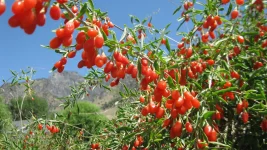
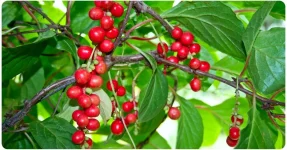
Goji
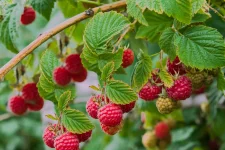
Raspberry
Blackberry
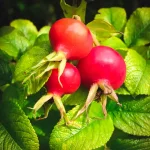
Rosehips
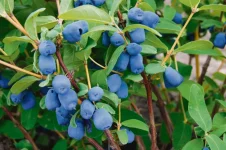
Honeyberry
Autumn Olive
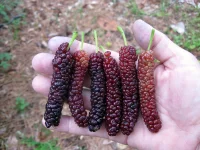
Mulberry
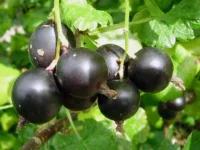
Currant
Elderberry
Chokecherry/Aronia
Etc
Late Pleistocene Plants | Explore the Ice Age Midwest
Cultivating Paleo-Era Plants For Modern Diets
The Ice Age Diet: A Plant-Based Foundation for Survival
Another consideration for plants is their use as defensive deterrents. Many plants that produce fruit, also have thorns, like the hardy orange, quince, sea buckthorn goumi etc. The last two are also nitrogen fixers and sea buckthorn is also drought tolerant. Just know you’ll need a separate male shrub to pollinate up to six and sometimes more females in order to produce fruit. The fruit is known for aiding in skin disorders which may arise due to high solar activity.
Sea buckthorn offers various health benefits, including promoting skin health, reducing inflammation, and supporting cardiovascular health due to its rich content of vitamins, antioxidants, and fatty acids. It may also aid in wound healing and improve skin elasticity.
Some plants are also drought and pollution tolerant like sea buckthorn or black pine.
You may also want to consider planting trees that will grow in an Ice Age or Ice Age type conditions that you could utilize for other products such as building materials or firewood. Knowing the various types of woods best suited for lumber and for having the highest BTU’s for heating and cooking. Similar to locust for burning or larch for both.
The utilizing of some fruiting plants that also fix nitrogen from the air into the soil, aiding in the vegetative growth of other plants that may be suffering due to lack of nutrients.
Consider growing mushrooms
There may be instances of high humidity with all the moisture being dumped into the atmosphere, plus there may also be periods of darkness due to environmental conditions which may favor the growth of mushrooms over other traditional sun, loving plants. Mushrooms can be grown in a variety of medias including, grains, sawdust, Woodchips, soil, straw and logs. Many varieties also fruit in cooler temps. I have 17 varieties of mushrooms that I’ve inoculated into my property around here some of which are doing better than others including wine cap about six or seven varieties of oyster mushrooms, turkey tail, grey dove, almond Agaricus among many others.
Other varieties that I’m currently growing are also considered a cancer fighting super food, have medicinal properties and or have thorns
Goumi
Goji
Raspberry
Blackberry
Rosehips
Honeyberry
Autumn Olive
Mulberry
Currant
Elderberry
Chokecherry/Aronia
Etc
Last edited: