Transportation.
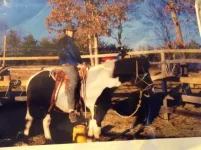
Unless you have an abundance of stored fuel, it may be in short supply, rationed or non existent at all, it will make good sense to have a mode of transportation to get you, your loved ones and as much gear as you can carry to your retreat as quickly as possible before roads, laws and or criminals make your journey difficult to near impossible. Due to terrain conditions and restraints, I’d choose Horses. If you have access to higher ground before the flip happens and the floods inundate everything at lower elevations , then horses might be the best way to go. Although keeping and maintaining horses before anything like that happens, can be very expensive. With horse management, maintenance, cost of feed and so on, it can add up very quickly. If you don’t have the space for a horse(s), look into boarding your horses at a local farm. Many already offer similar services. If possible get to know your horse’s personality too. When initially looking, look for a calm tempered ‘ bombproof ‘ horse. Mares are sometimes easier to work with than geldings. Also consider pack mules. Mules are often overlooked by people not used to equine animals but are in many cases, a better pack and trail animal than some horses. Otherwise I’d consider Quarter horses as they are easy to work with and are very versatile. Because I am so big, I also like Warmbloods and draft horses but that’s just me.
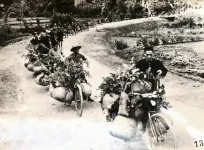
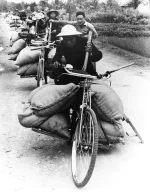
An alternative and much more common form of reliable transportation source, I would seriously look at some type of bicycle. During the Vietnam war, the north Vietnamese used bicycles to carry supplies, arms, and ammunition over the Ho Chi Minh Trail. It was recorded that each person pushing a bicycle could carry anywhere from 350 to 450 pounds of extra gear. I don’t know enough about E bikes but they may be worth looking into, especially if you could rig up some sort of trickle charger either from a small generator that runs from the tires turning or, maybe a small flexible solar panel attached to your pannier or pack. Personally I’d just stick with KISS. ( Keep It Simple Stupid). Now, unless you ride often, you’re going to need to develop stronger leg muscles. If you don’t ride fairly often and then throw a bunch of gear on a bike and attempt to go a long distance you are definitely going to be hurting that evening…
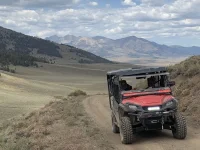
The main reason why I don’t put motorcycles, ATVs or side-by-side at the top of this list is because if you have a long way to go, your gas may only last you a little while and you may not be able to refill and then you are stuck walking at that point. Something else to consider is unless you’re on a motorcycle you may not be able to access certain terrain, or trails with something as wide as an ATV or side-by-side.
Boats. Capsules
How much water is in your area will determine whether or not you can move to a safe location. This also depends on the waterways and if they are quagmires of debris cluttered around bridges and logjams. Or just an oceanic maelstrom littered with the creations of humankind teeming with all horrific nightmares Hollywood might struggle to copy…When the floods come, simply floating away may not be as easy as it sounds- you’re not going to get very far if that’s the case. I invite you to look at the tsunami damage and debris fields of all the recent floods and the Fukushima disaster. If you think a survival capsule or even a decommissioned life boat might be the answer, there’s no guarantee that your bouy won’t be so buoyant and you become buried under literal tons of debris washed out to sea.

Abandoned Railways and railroad tunnels as shelters
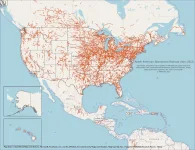
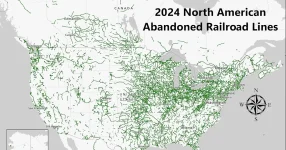
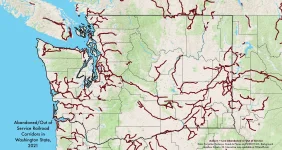
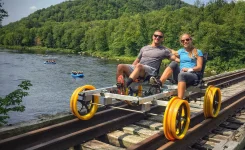
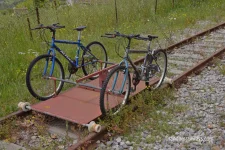
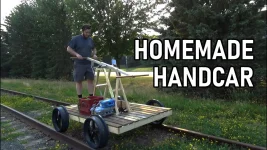
If there’s a chance that before the railroads have melted, the use of rail lines will, like main interstates, highways and roads or even power lines be used as travel routes. Many refugees will use these rail lines to avoid large city centers. There are many affordable rail cars that can be found and or made to travel on those lines. Also, abandoned rail road tunnels could be used as shelters. When looking for retreat properties, try to avoid being near them. Because your backyard may see an influx of weary travelers looking for sustenance and your gardens just became their store.
 www.narcoa.org
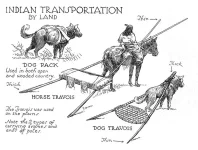
If you think you can do it, many other animals throughout time have been used to haul gear, including goats and dogs. A friend of mine helped to write a book on goat packing. I will try to find a copy of it to show you. Also consider making a travois, even dogs were used by many Indian cultures to carry extra supplies beyond the use of horses and cattle.
Unless you have an abundance of stored fuel, it may be in short supply, rationed or non existent at all, it will make good sense to have a mode of transportation to get you, your loved ones and as much gear as you can carry to your retreat as quickly as possible before roads, laws and or criminals make your journey difficult to near impossible. Due to terrain conditions and restraints, I’d choose Horses. If you have access to higher ground before the flip happens and the floods inundate everything at lower elevations , then horses might be the best way to go. Although keeping and maintaining horses before anything like that happens, can be very expensive. With horse management, maintenance, cost of feed and so on, it can add up very quickly. If you don’t have the space for a horse(s), look into boarding your horses at a local farm. Many already offer similar services. If possible get to know your horse’s personality too. When initially looking, look for a calm tempered ‘ bombproof ‘ horse. Mares are sometimes easier to work with than geldings. Also consider pack mules. Mules are often overlooked by people not used to equine animals but are in many cases, a better pack and trail animal than some horses. Otherwise I’d consider Quarter horses as they are easy to work with and are very versatile. Because I am so big, I also like Warmbloods and draft horses but that’s just me.
An alternative and much more common form of reliable transportation source, I would seriously look at some type of bicycle. During the Vietnam war, the north Vietnamese used bicycles to carry supplies, arms, and ammunition over the Ho Chi Minh Trail. It was recorded that each person pushing a bicycle could carry anywhere from 350 to 450 pounds of extra gear. I don’t know enough about E bikes but they may be worth looking into, especially if you could rig up some sort of trickle charger either from a small generator that runs from the tires turning or, maybe a small flexible solar panel attached to your pannier or pack. Personally I’d just stick with KISS. ( Keep It Simple Stupid). Now, unless you ride often, you’re going to need to develop stronger leg muscles. If you don’t ride fairly often and then throw a bunch of gear on a bike and attempt to go a long distance you are definitely going to be hurting that evening…
The main reason why I don’t put motorcycles, ATVs or side-by-side at the top of this list is because if you have a long way to go, your gas may only last you a little while and you may not be able to refill and then you are stuck walking at that point. Something else to consider is unless you’re on a motorcycle you may not be able to access certain terrain, or trails with something as wide as an ATV or side-by-side.
Boats. Capsules
How much water is in your area will determine whether or not you can move to a safe location. This also depends on the waterways and if they are quagmires of debris cluttered around bridges and logjams. Or just an oceanic maelstrom littered with the creations of humankind teeming with all horrific nightmares Hollywood might struggle to copy…When the floods come, simply floating away may not be as easy as it sounds- you’re not going to get very far if that’s the case. I invite you to look at the tsunami damage and debris fields of all the recent floods and the Fukushima disaster. If you think a survival capsule or even a decommissioned life boat might be the answer, there’s no guarantee that your bouy won’t be so buoyant and you become buried under literal tons of debris washed out to sea.
Abandoned Railways and railroad tunnels as shelters
If there’s a chance that before the railroads have melted, the use of rail lines will, like main interstates, highways and roads or even power lines be used as travel routes. Many refugees will use these rail lines to avoid large city centers. There are many affordable rail cars that can be found and or made to travel on those lines. Also, abandoned rail road tunnels could be used as shelters. When looking for retreat properties, try to avoid being near them. Because your backyard may see an influx of weary travelers looking for sustenance and your gardens just became their store.
NARCOA - For Sale & Want Ads
If you think you can do it, many other animals throughout time have been used to haul gear, including goats and dogs. A friend of mine helped to write a book on goat packing. I will try to find a copy of it to show you. Also consider making a travois, even dogs were used by many Indian cultures to carry extra supplies beyond the use of horses and cattle.